Hoppscotch
A student in India shipped a Postman alternative in a weekend — 70K stars later.
Hoppscotch is a fast, open-source API development client — send requests, test endpoints, share collections. Created in 2019 by Indian student Liyas Thomas as a side project, it grew past 70,000 GitHub stars and became the default lightweight Postman alternative.
What it is
Hoppscotch is an API client that runs in the browser and as an app: REST, GraphQL, WebSocket and more, with collections, environments and team workspaces. Where Postman grew heavy and account-gated, Hoppscotch stayed fast, free and open.
The project is a community institution: hundreds of contributors, translations into dozens of languages, and a self-hostable offering for companies that can't send requests through third-party clouds.
How it makes money
The tool is free and MIT-licensed; the company monetizes with hosted team workspaces and enterprise self-hosting. Its scale is the story: tens of thousands of GitHub stars and millions of requests served monthly, built initially by one student.
The founder's journey — from a Kerala classroom to leading one of GitHub's most-starred projects — made Hoppscotch a symbol of the global indie developer movement.
Why it worked
Timing plus taste: it launched just as Postman's bloat and forced-login era began, offering the exact opposite experience — instant, no account, open source.
Community ownership did the rest: contributors translated, extended and evangelized it, giving a student project the surface area of a venture-backed tool.
Estimates and founder-reported figures, not audited numbers · Last updated: 2026-10-25
Related profiles
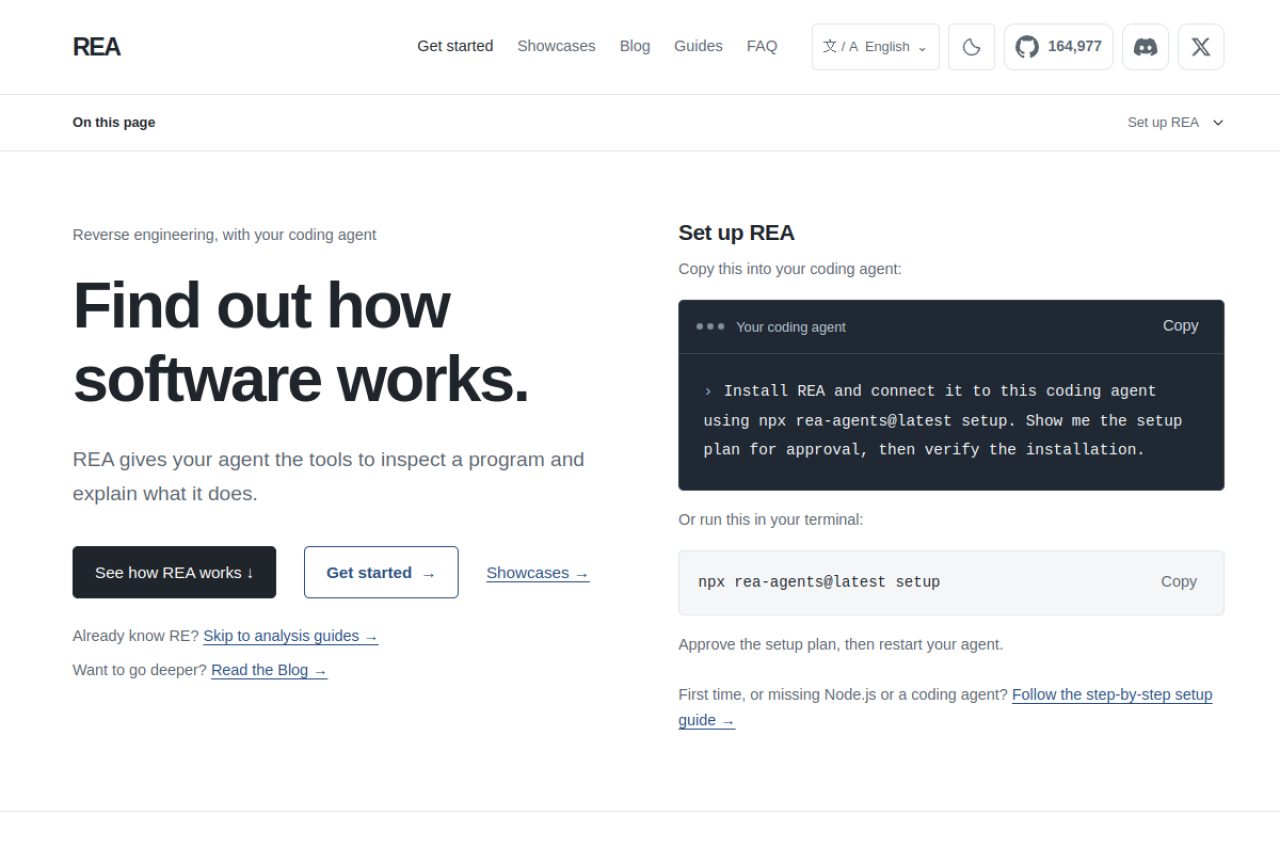
REA
It does not decompile for you. It hands your agent the tools and demands the evidence.
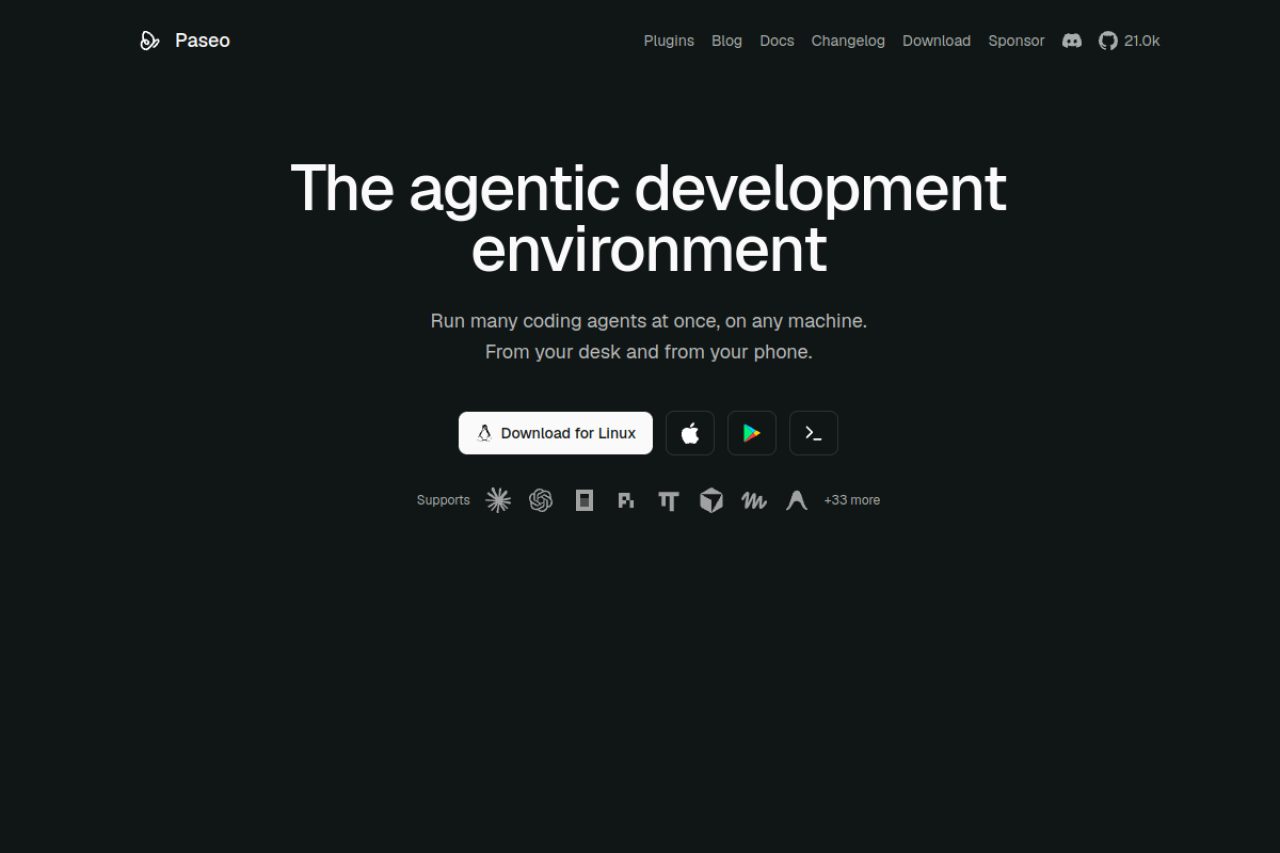
Paseo
Everyone built a coding agent. He built the cockpit for all of them.
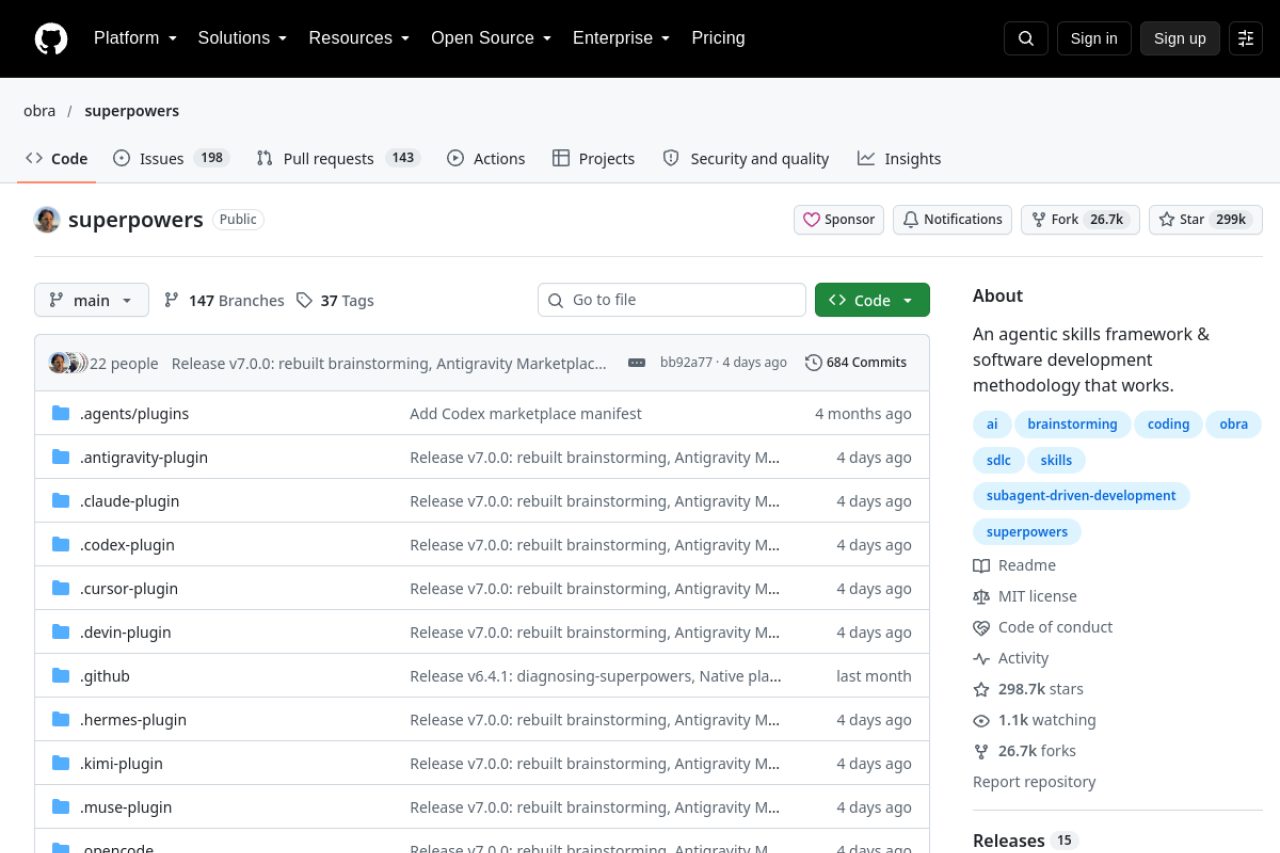
Superpowers
The most popular AI coding tool of 2026 is not software. It is a methodology.
Keep exploring
79 profiles and counting — let fate pick the next one.
Frequently asked questions
How big is Hoppscotch?
More than 70,000 GitHub stars, millions of monthly users, and hundreds of contributors — making it one of the most popular open-source developer tools ever started by a student.
How does it make money?
The core is MIT-licensed and free; revenue comes from hosted team workspaces and enterprise self-hosting for organizations with compliance needs.