
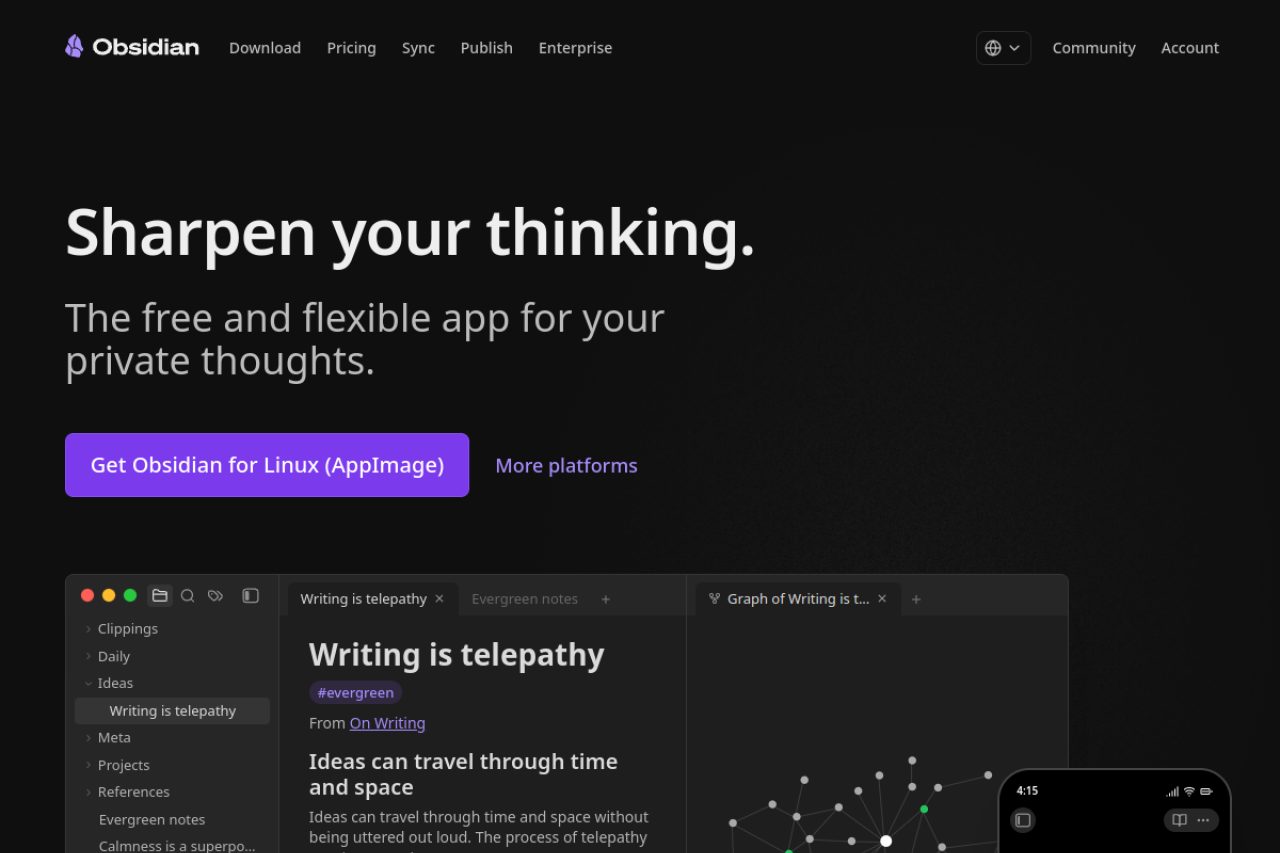
Obsidian stores notes as plain markdown files on your own device, linked into a graph you can navigate. Built by a small independent team since 2020, it has never taken outside investment and funds itself through optional sync and publishing plans.
What it is
A folder of markdown files, a fast editor, and bidirectional links that let you jump between related notes. There is no proprietary database, so the worst case is that you open the folder in any text editor and keep working. Extensions are community-built and numerous.
The refusal to require an account is the whole design philosophy. The app works offline, forever, without any server existing, which is why people hand it to researchers, lawyers and anyone with a decade of notes.
How it makes money
The app is free for personal use. Paid add-ons cover syncing across devices, end-to-end encrypted by default, and publishing notes as a website. Commercial licences are sold to companies whose staff use it at work.
That structure gave the team a real business without surveillance: users pay for convenience and hosting, not for access to their own data, and the company has publicly rejected acquisition interest.
Why it worked
Local-first software solves a fear that cloud apps cannot. When a note-taking service shuts down or changes its pricing, users lose their archive; when a folder of files is the app, there is nothing to lose.
The community did the rest. A plugin ecosystem built by users turned a good editor into a platform, without the company having to fund a developer programme or a marketplace.
Estimates, not audited figures · Last updated: 2026-10-15
Related profiles
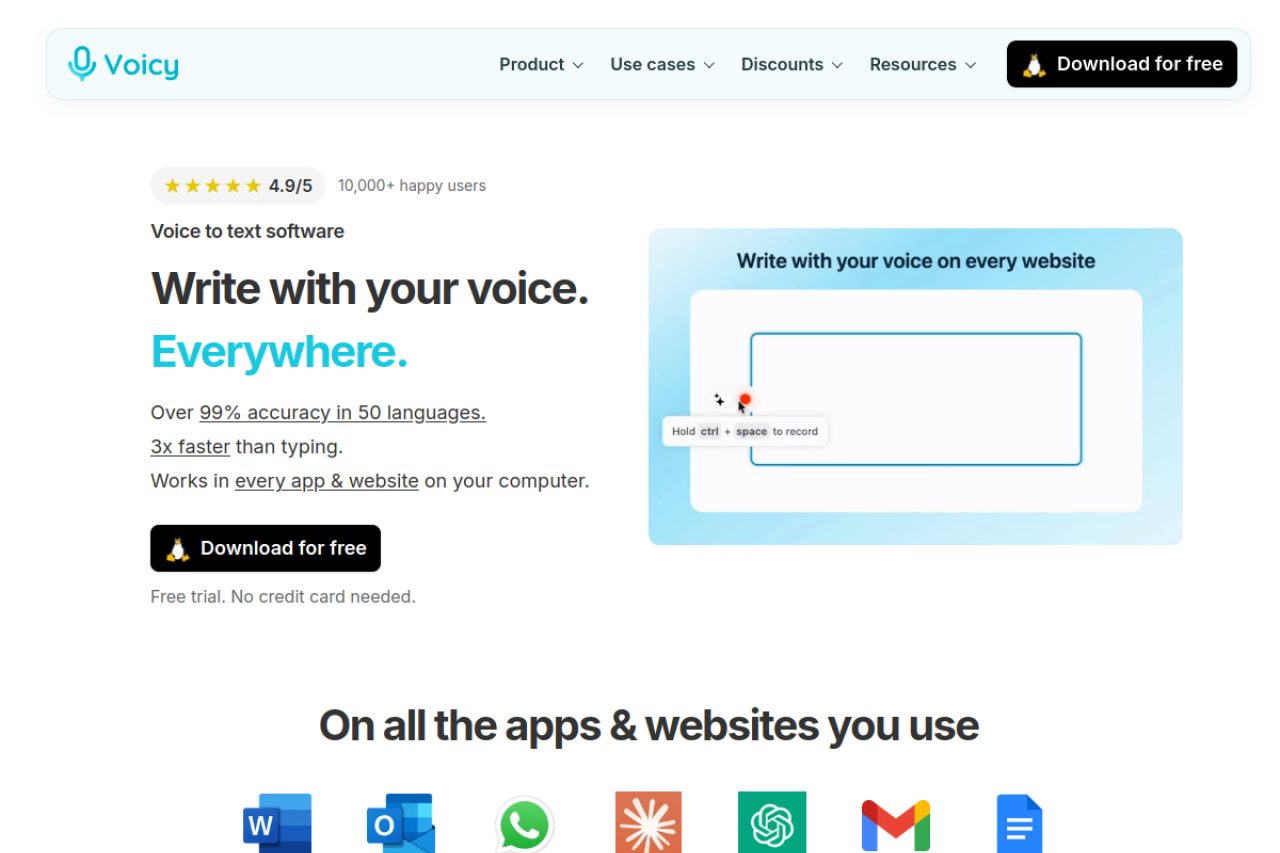
Voicy
The dictation was never the hard part. Making it fit the app you are already in was.
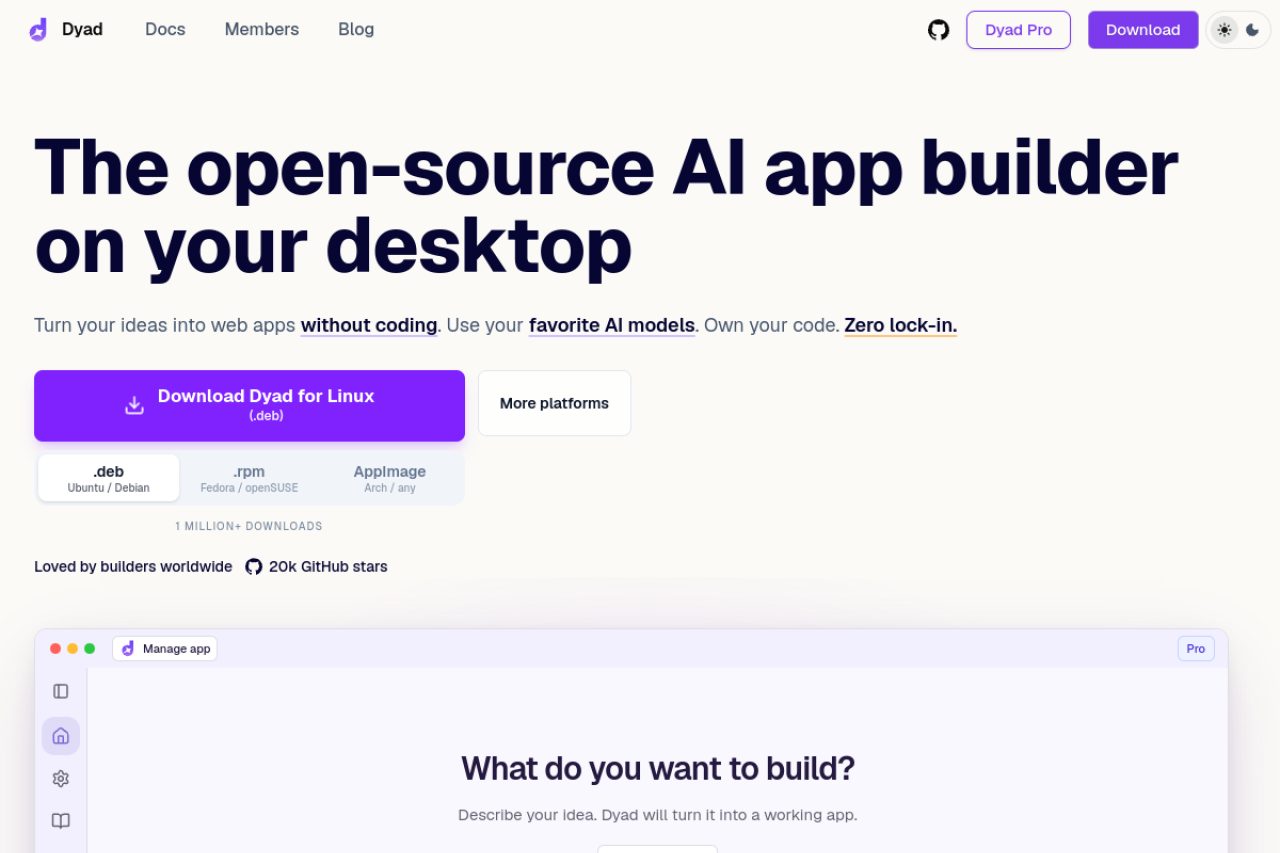
Dyad
Everyone put the AI app builder in the cloud. He put it on your laptop.
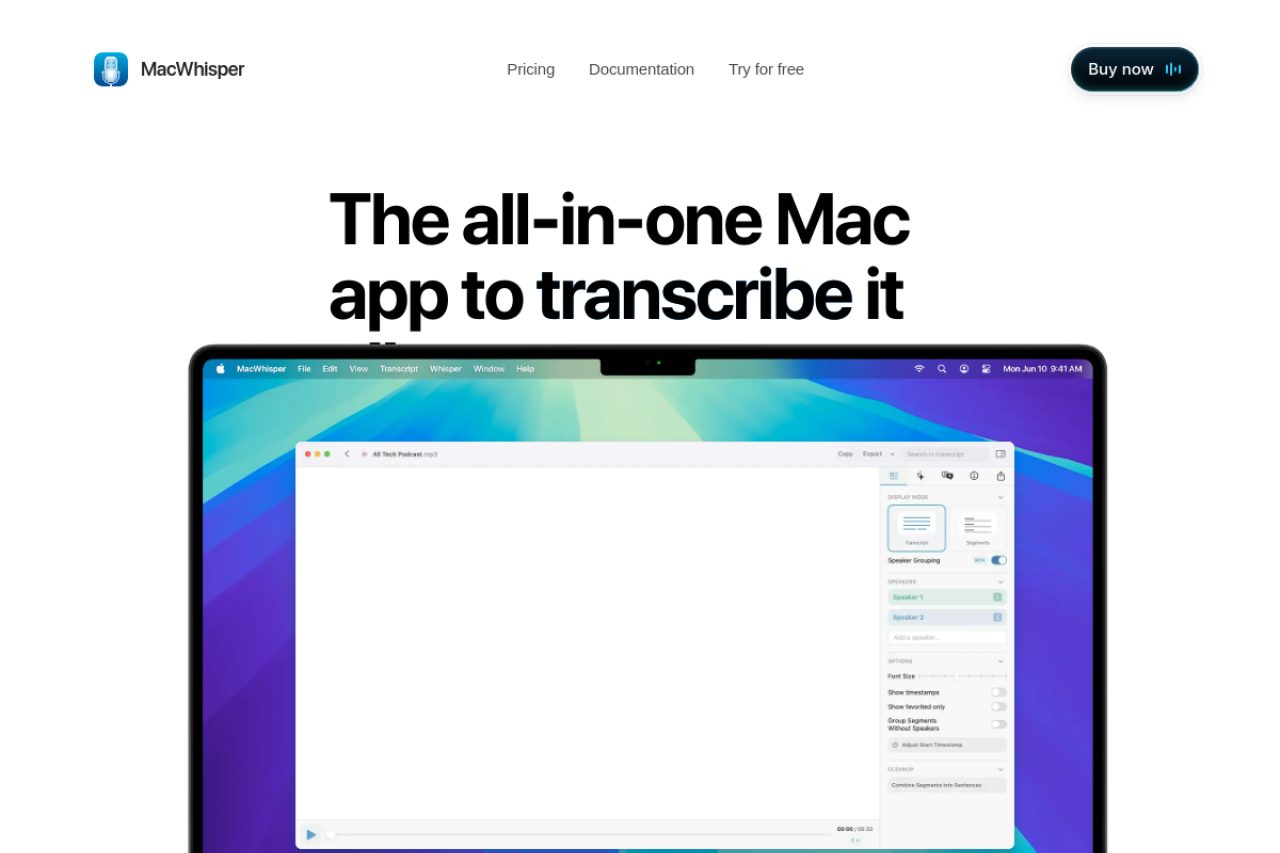
MacWhisper
The model was free. The missing piece was an app your parents could open.
Keep exploring
110 profiles and counting — let fate pick the next one.
Frequently asked questions
Is Obsidian free?
Yes for personal use. Paid plans cover encrypted device sync and publishing, and companies buy commercial licences.
Has Obsidian raised money?
No. The team has publicly stated it has taken no outside investment and does not intend to sell.
Where are my notes stored?
As plain markdown files in a folder you choose on your own device, so no account is required and no data leaves your machine unless you turn on sync.