
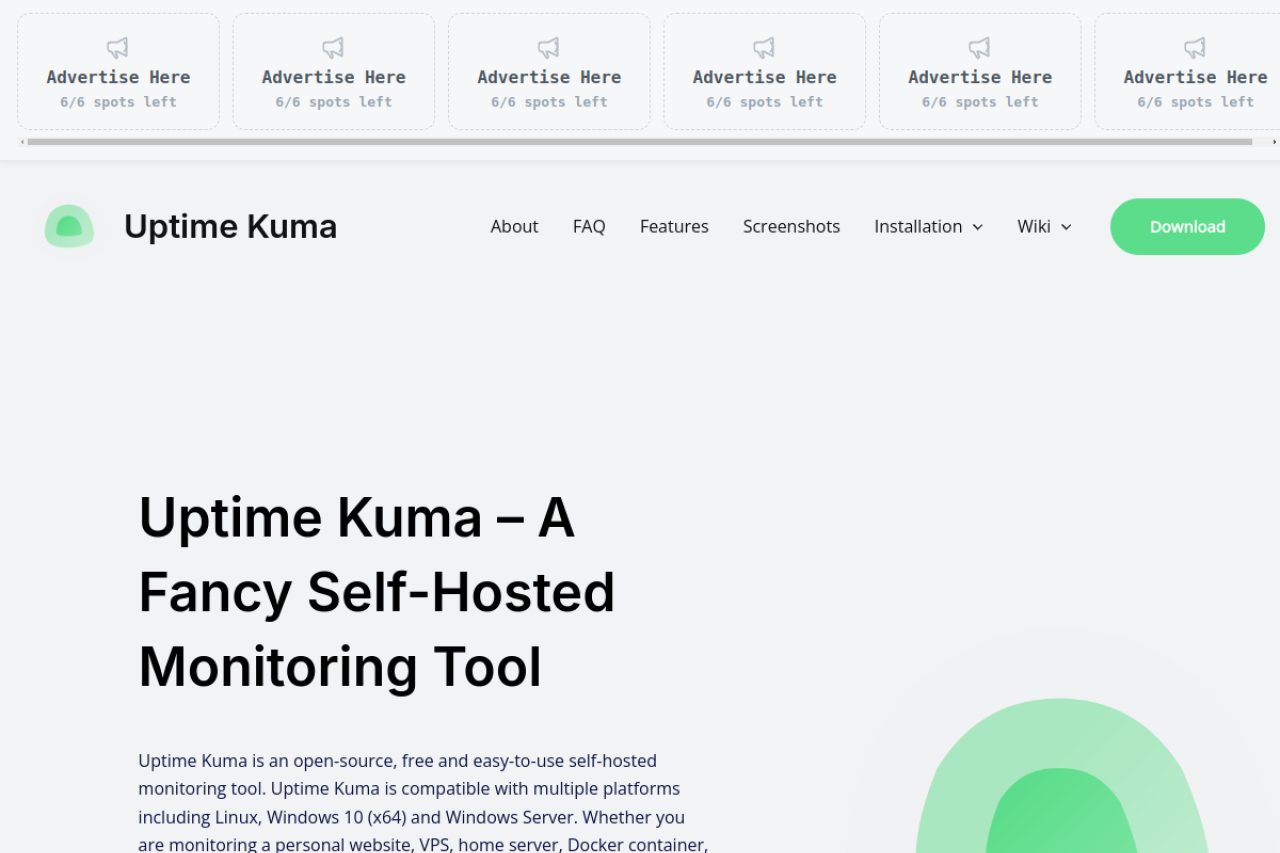
Uptime Kuma is a self-hosted status page and monitoring tool that has gathered more than 90,000 GitHub stars while being maintained almost entirely by a single developer, Louis Lam.
What it does
Uptime Kuma watches your websites and services and tells you when they break. It handles HTTP(s), TCP, ping, DNS, Docker containers and push monitors, checks as often as every 20 seconds, and sends alerts through more than 90 notification services including Slack, Telegram, Discord and PagerDuty.
A single Docker container with an embedded SQLite database is all it takes to run. The interface is fast, responsive and genuinely well designed, which is rare in self-hosted tooling and a large part of why it spread by word of mouth.
Why it spread
Commercial monitoring is priced per monitor and per minute; Uptime Kuma is free with unlimited checks. For homelab users and small teams, the trade — you run it, you maintain it — is an easy decision.
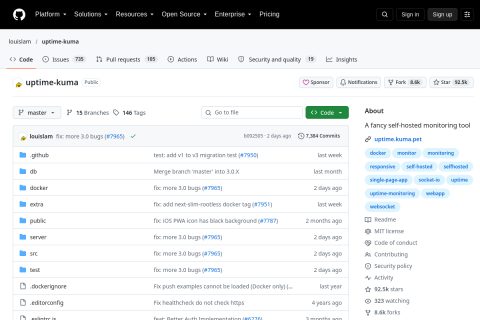
Louis Lam started it in July 2021 and has remained the primary maintainer for five years. By 2026 the repository had reached roughly 92,000 stars and 8,500 forks, with commits landing in 25 of the previous 26 weeks — a one-person project backed by a strong community, used by hundreds of thousands of people, that never turned into a company at all.
Estimates, not audited figures · Last updated: 2026-10-15
Related profiles
REA
It does not decompile for you. It hands your agent the tools and demands the evidence.
Paseo
Everyone built a coding agent. He built the cockpit for all of them.
Superpowers
The most popular AI coding tool of 2026 is not software. It is a methodology.
Keep exploring
110 profiles and counting — let fate pick the next one.
Frequently asked questions
Is Uptime Kuma really maintained by one person?
Primarily yes. Louis Lam created it in July 2021 and remains the lead maintainer, supported by community contributions.
How much does Uptime Kuma cost?
Nothing. It is MIT-licensed with unlimited monitors, unlimited status pages and no paid tier; you only pay for the server it runs on.
How popular is Uptime Kuma?
The repository has around 92,000 GitHub stars and 8,500 forks as of 2026, placing it among the most popular self-hosted projects on GitHub.