Lunch Money
A budgeting app for the internationally employed, built by one nomadic developer.
Lunch Money is a personal-finance dashboard built for people with money in multiple countries and currencies. Created in 2019 by solo developer James Jacob, it publicly crossed $500K in annual recurring revenue while remaining a one-person company.
What it is
Lunch Money aggregates bank accounts, tracks spending, and budgets — like the big US apps, except it treats multi-currency and international life as the default case rather than an edge case. Expats, digital nomads and dual-country families are the core audience.
The founder built it for himself while living abroad, then grew it openly with a public changelog and candid revenue posts.
How it makes money
A flat annual subscription around $100, no free tier beyond a trial. Public milestones shared by the founder include crossing $500K ARR, reached with no employees and no paid marketing.
Retention is structural: a finance dashboard holds years of categorized history, and the switching cost grows with every month of data.
Why it worked
The niche was abandoned by the giants: when the big US budgeting apps killed their bills features or ignored non-US banks, internationally-mobile users went searching — and found a product whose homepage spoke directly to them.
An audience-obsessed solo founder could out-support and out-ship venture-backed competitors: the public roadmap and personal support emails turned users into evangelists.
Estimates and founder-reported figures, not audited numbers · Last updated: 2026-10-25
Related profiles
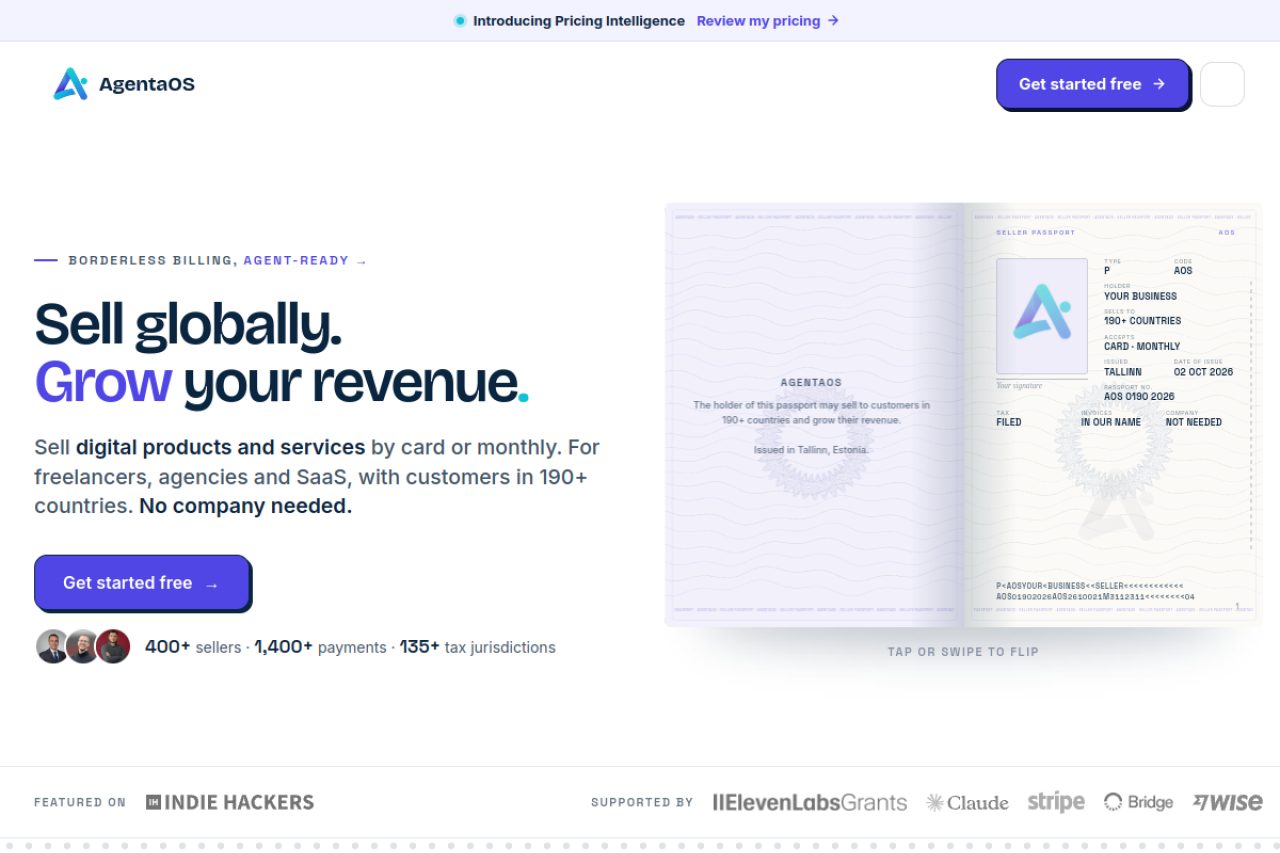
AgentaOS
He could not take card payments from the Balkans. So he became the seller for everyone else.

NinjaPear
He lost the data source. So he rebuilt the product around not needing it.
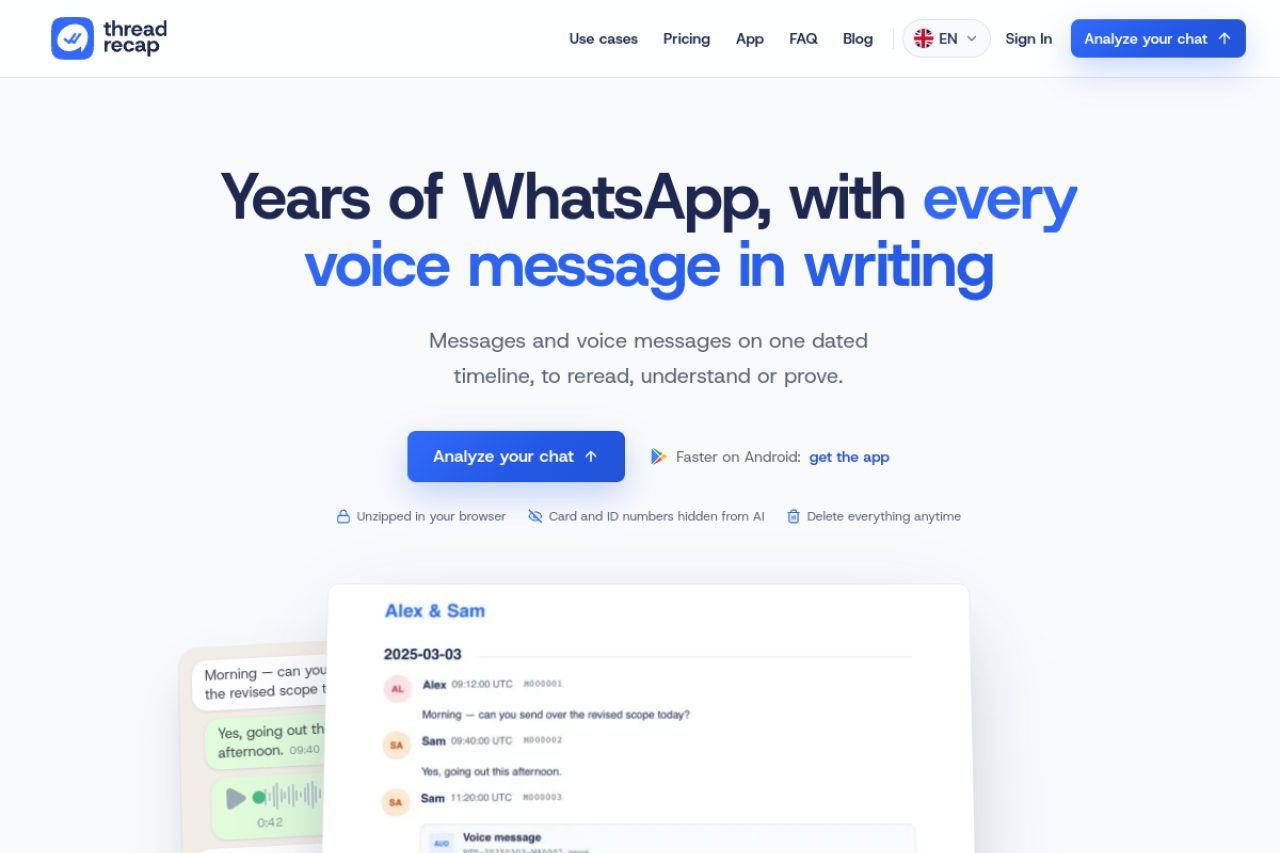
ThreadRecap
Not a big business. A very efficient one.
Keep exploring
79 profiles and counting — let fate pick the next one.
Frequently asked questions
How much does Lunch Money make?
The founder shares revenue publicly: it crossed $500K ARR as a one-person company, charging roughly $100 a year per subscriber.
Who is it for?
People whose financial lives cross borders — expats, dual-currency households, nomads — whom US-centric apps like Mint historically underserved.