Structured turns your day into a visual timeline, merging calendar events, tasks and routines. Built by Berlin developer Leo Mehlig and launched in 2020, it publicly crossed $1M in annual recurring revenue as a one-person product.
What it is
Structured shows the day as a vertical timeline: calendar events, to-dos and habits in one continuous view, with gentle notifications nudging you to the next block. It is deliberately simple — a planner, not a project manager.
The design quality is the differentiator: it looks and feels like an Apple-made app, which earned it App Store features and a devoted base among people with ADHD and visual thinkers.
How it makes money
Freemium with a Pro subscription (monthly, yearly, and a popular lifetime option). The founder shared milestones publicly — including crossing $1M ARR — while remaining essentially solo with occasional help.
Platform expansion compounded the base: iPhone first, then iPad, Mac, Android and web, each bringing a new wave of users into the same subscription.
Why it worked
It occupied the gap between calendar (events only) and reminders (tasks only): millions of people plan their day in their head because no default app merges both — Structured is exactly that merge, beautifully executed.
A single developer with elite design sense out-polished funded competitors, and the ADHD community's word of mouth became an unpaid, passionate growth team.
Estimates and founder-reported figures, not audited numbers · Last updated: 2026-10-25
Related profiles
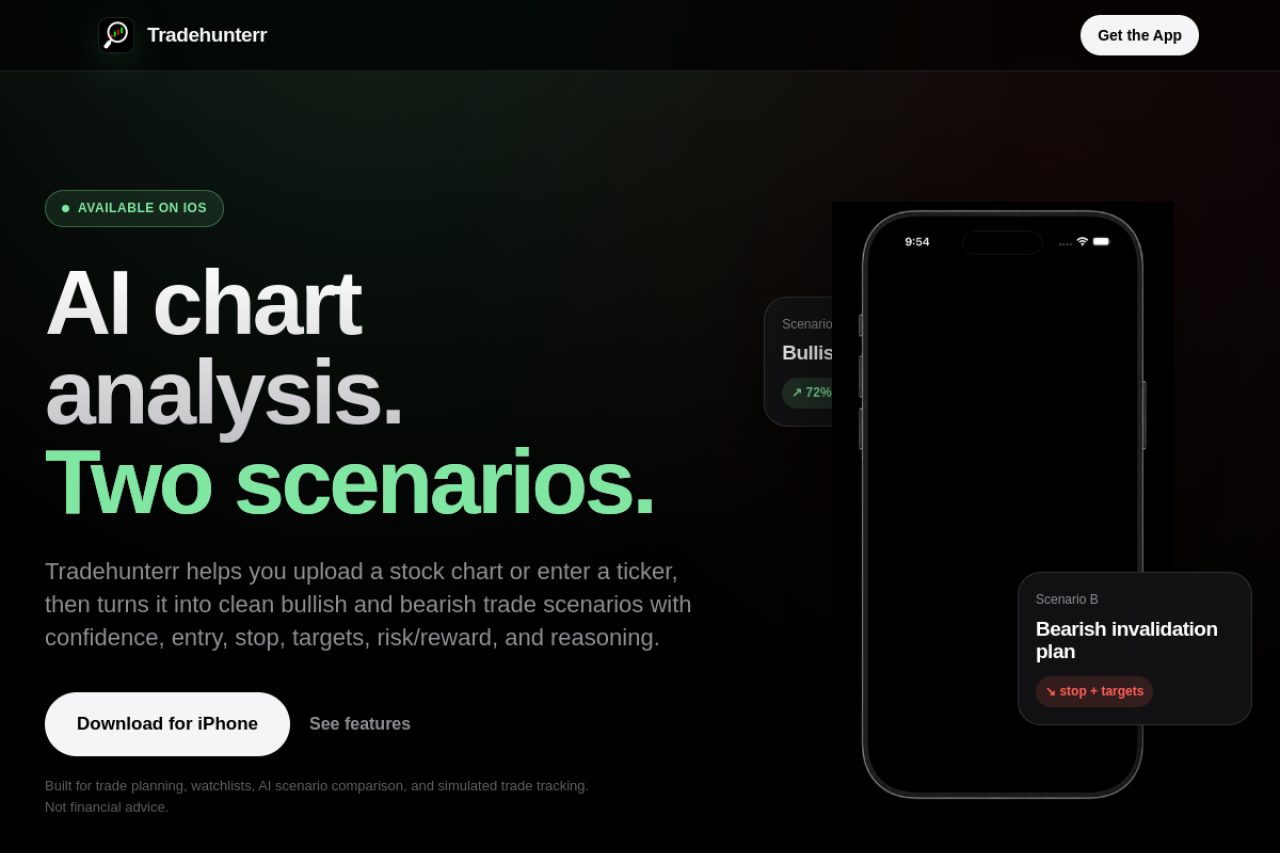
Trade Hunterr
The smallest revenue on this site, and one of the more useful case studies.
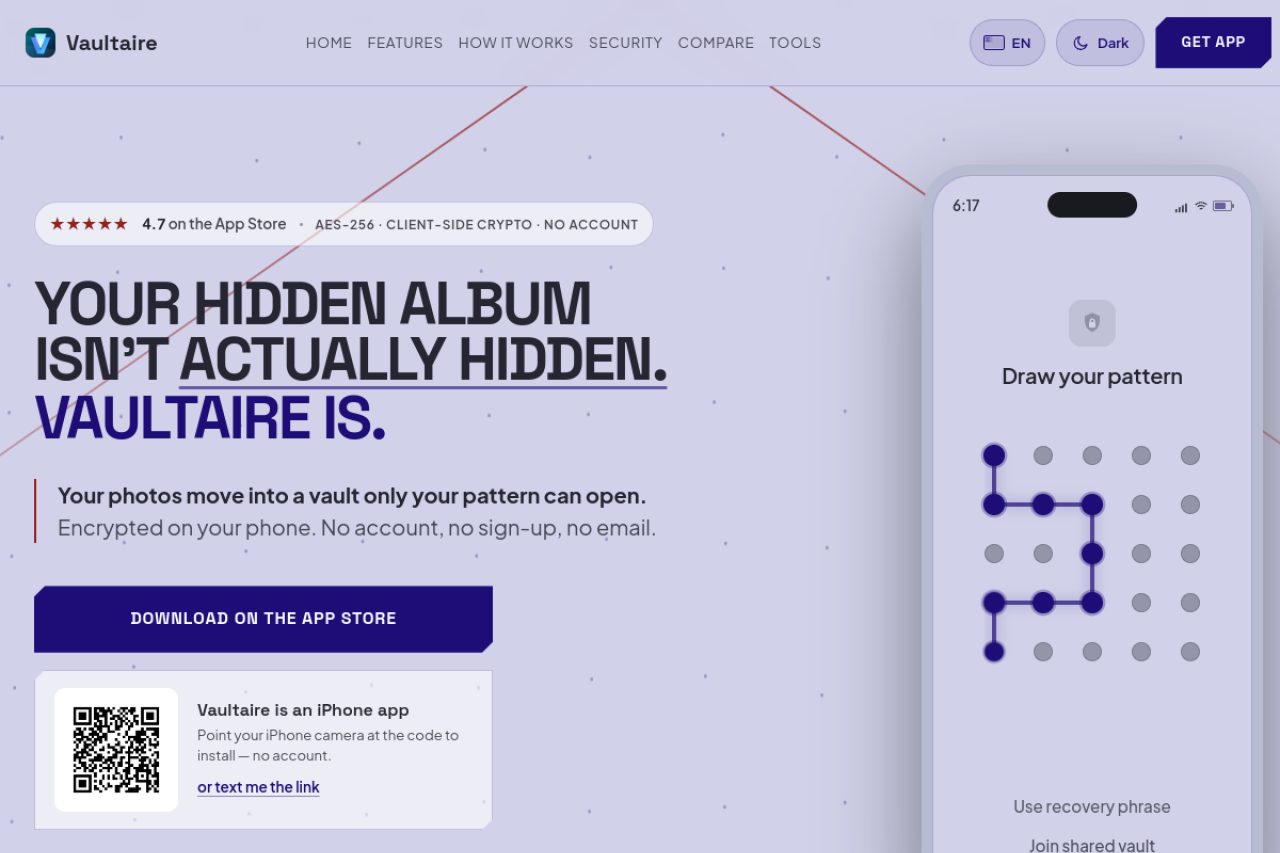
Vaultaire
No accounts, no backend, no cloud — everything encrypted on the phone itself.
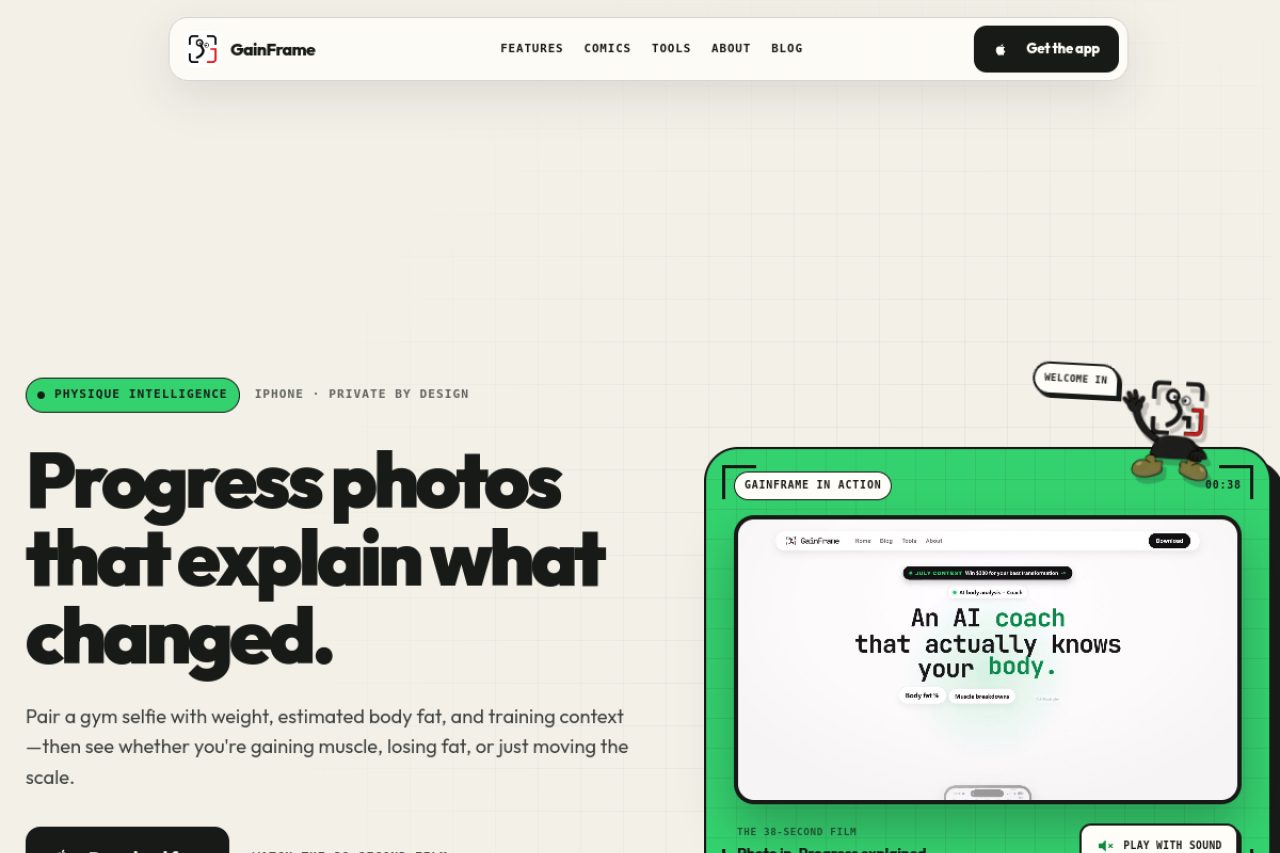
GainFrame
The honest version of a $1.2K side project — small revenue, real users, still running.
Keep exploring
79 profiles and counting — let fate pick the next one.
Frequently asked questions
How much does Structured make?
The founder publicly shared crossing $1M ARR; the app is freemium with a Pro subscription and a lifetime unlock, built by essentially one person in Berlin.
Why do people switch from Apple Calendar and Reminders?
Structured merges events and tasks into one visual timeline — planning a day requires both, and the default apps keep them in separate silos.